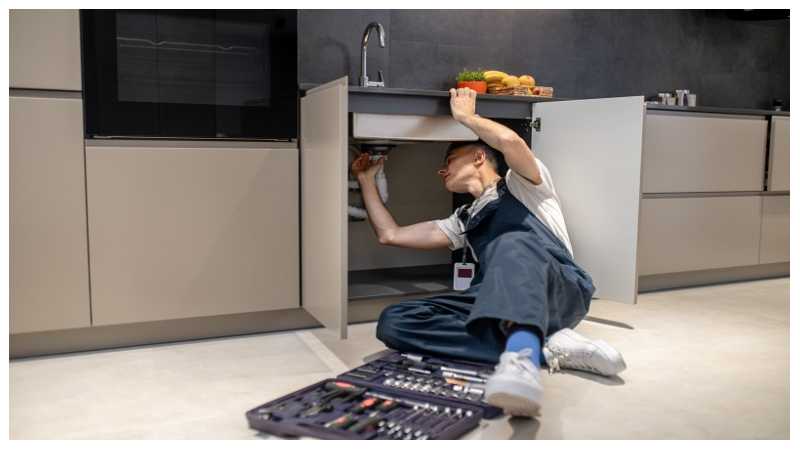
Modern plumbing systems are the backbone of comfortable living and efficient business operations. They ensure a steady supply of clean water, proper waste disposal, and hygienic conditions. Without a reliable plumbing system, daily tasks such as cooking, cleaning, and sanitation would become extremely difficult. In today’s fast-paced world, advanced plumbing solutions are essential for maintaining convenience, safety, and overall quality of life.
How Plumbing Impacts Homes and Businesses
Plumbing plays a critical role in both residential and commercial environments. In homes, it supports essential activities like bathing, laundry, and kitchen use. In businesses—especially restaurants, hotels, hospitals, and offices—plumbing systems handle high demand and must function flawlessly to avoid disruptions. Poor plumbing can lead to water damage, increased costs, and even health hazards, making it a crucial aspect of any building.
The Need for Professional Plumbing Services
While minor issues can sometimes be handled independently, most plumbing problems require professional expertise. Skilled plumbers have the tools, knowledge, and experience to diagnose and fix issues efficiently. Hiring professionals ensures long-lasting solutions, reduces the risk of recurring problems, and guarantees compliance with safety standards.
2. Understanding Modern Plumbing Systems
Key Components of Residential and Commercial Plumbing
Modern plumbing systems consist of several interconnected components, including pipes, fixtures, valves, water heaters, and drainage systems. These elements work together to deliver clean water and remove waste efficiently. In commercial settings, systems are often larger and more complex to accommodate higher usage.
Differences Between Home and Business Plumbing Needs
Residential plumbing focuses on comfort and daily convenience, while commercial plumbing prioritizes durability and capacity. Businesses require systems that can handle continuous usage, larger water volumes, and stricter regulations. As a result, commercial plumbing often involves more advanced equipment and maintenance routines.
Latest Trends in Plumbing Technology
Technology has significantly improved plumbing systems. Innovations such as leak detection sensors, tankless water heaters, and smart water monitoring systems help enhance efficiency and reduce waste. These innovations don’t just elevate performance—they quietly reshape the path toward a more sustainable future.
3. Essential Plumbing Services for Homes
Installation and Upgrades of Plumbing Systems
Proper installation is crucial for long-term plumbing performance. Whether building a new home or upgrading an existing system, professional installation ensures efficiency and reliability. Upgrades may include replacing old pipes, installing modern fixtures, or improving water pressure systems.
Leak Detection and Repair Solutions
Leaks may seem minor at first glance, but they’re among the most frequent plumbing problems—capable of silently wasting large amounts of water and gradually compromising the integrity of a structure over time. Advanced detection tools help identify hidden leaks quickly, allowing for prompt repairs and preventing costly damage.
Drain Cleaning and Maintenance
Clogged drains can disrupt daily activities and cause unpleasant odors. Regular cleaning and maintenance keep drainage systems functioning properly. Professional plumbers use specialized tools to remove blockages and ensure smooth water flow.
4. Commercial Plumbing Solutions for Businesses
Large-Scale Plumbing System Installations
Commercial properties require large-scale plumbing installations that can handle heavy usage. These systems must be carefully designed and installed to ensure efficiency and durability.
Maintenance for High-Usage Systems
Frequent use can lead to wear and tear in commercial plumbing systems. Regular maintenance is essential to prevent breakdowns and ensure consistent performance.
Compliance with Safety and Building Codes
Businesses must adhere to strict plumbing regulations and safety standards. Professional plumbers ensure that installations and repairs meet all legal requirements, reducing the risk of fines and liabilities.
5. Advanced Plumbing Technologies
Smart Plumbing Systems and Automation
Smart plumbing systems allow homeowners and businesses to monitor water usage, detect leaks, and control fixtures remotely. These systems improve efficiency and provide greater control over water management.
Water-Efficient Fixtures and Systems
Water-saving fixtures such as low-flow toilets, faucets, and showerheads help reduce water consumption without compromising performance. These approaches strike a rare balance—gentle on the environment while keeping expenses firmly in check.
Eco-Friendly Plumbing Innovations
Sustainable plumbing practices include using recyclable materials, energy-efficient water heaters, and systems designed to minimize water waste. These innovations support environmental conservation while reducing utility costs.
6. Emergency Plumbing Services
Common Plumbing Emergencies
Plumbing crises have a knack for striking without warning, demanding swift action the very moment they arise. Common issues include burst pipes, severe leaks, clogged drains, and water heater failures.
Quick Response and 24/7 Services
Professional plumbers offer emergency services to address urgent problems promptly. Quick response times help minimize damage and restore normal operations.
Preventing Costly Damage
Timely intervention during emergencies can prevent extensive property damage and reduce repair costs. Having access to reliable emergency services is essential for both homes and businesses.
7. Water Efficiency and Conservation Solutions
Low-Flow Fixtures and Water-Saving Devices
Installing low-flow fixtures is one of the simplest ways to conserve water. These devices reduce water usage while maintaining functionality.
Rainwater Harvesting Systems
Rainwater harvesting systems collect and store rainwater for various uses, such as irrigation and cleaning. This strategy eases the demand on municipal water systems, fostering greater independence and resource efficiency.
Reducing Water Waste in Homes and Businesses
Simple practices like fixing leaks, using efficient appliances, and monitoring water usage can significantly reduce waste. These measures contribute to sustainability and lower utility bills.
8. Choosing the Right Plumbing Materials
Pipes, Fittings, and Fixtures Options
Choosing appropriate materials lays the foundation for lasting strength and optimal performance. Common options include copper, PVC, and PEX pipes, each with its own advantages.
Durability and Longevity Considerations
High-quality materials last longer and require less maintenance. Committing to high-quality, long-lasting components secures consistent, dependable performance well into the future.
Cost vs. Quality Comparison
. Balancing cost and quality is key to achieving long-term value.
9. Preventive Maintenance and Inspections
Regular Plumbing Checkups
Regular checkups ensure that systems remain in optimal condition.
Identifying Issues Before They Escalate
Early detection of leaks, corrosion, or blockages can prevent costly repairs and system failures.
Maintenance Plans for Homes and Businesses
Customized maintenance plans provide scheduled inspections and services, ensuring consistent system performance.
10. Hiring Professional Plumbing Experts
Qualities of a Reliable Plumber
A skilled plumber blends experience with reliability and deep expertise, backed by sharp problem-solving abilities and a meticulous eye for detail.
Certifications and Experience to Look For
Certified plumbers have undergone proper training and meet industry standards. Experience ensures they can handle a wide range of issues effectively.
Benefits of Hiring Licensed Professionals
Licensed professionals provide high-quality work, adhere to safety regulations, and offer warranties for their services.
11. Cost Considerations and Budget Planning
Factors Affecting Plumbing Costs
Several factors influence plumbing costs, including the complexity of the project, materials used, and labor requirements.
Budget-Friendly Plumbing Solutions
Choosing efficient fixtures, maintaining systems regularly, and addressing issues early can help reduce expenses.
Long-Term Investment Benefits
Investing in quality plumbing solutions saves money in the long run by reducing repairs and improving efficiency.
12. Common Plumbing Challenges and Solutions
Dealing with Clogs and Blockages
Clogs are a common issue caused by debris, grease, or foreign objects. Professional cleaning methods effectively remove blockages.
Fixing Water Pressure Issues
Low or high water pressure can affect system performance. Identifying the cause and making necessary adjustments ensures optimal pressure levels.
Addressing Aging Plumbing Systems
Older systems may require upgrades or replacements to maintain efficiency and safety.
13. Future Trends in Plumbing Solutions
Smart Homes and Connected Plumbing
The integration of smart technology allows for automated monitoring and control of plumbing systems, improving efficiency and convenience.
Sustainable and Green Plumbing Systems
Eco-friendly solutions will continue to grow, focusing on water conservation and energy efficiency.
Innovations in Commercial Plumbing
Commercial plumbing will see advancements in automation, large-scale efficiency systems, and improved maintenance technologies.
14. Conclusion
Importance of Expert Plumbing Solutions
Expert plumbing solutions are essential for maintaining efficient, safe, and reliable systems in both homes and businesses. From installation to maintenance, professional services ensure long-term performance and peace of mind.
Final Tips for Maintaining Efficient Plumbing Systems
Regular maintenance, timely repairs, and the use of modern technologies are key to keeping plumbing systems in excellent condition. By investing in quality solutions and professional expertise, property owners can enjoy efficient and hassle-free plumbing for years to come.