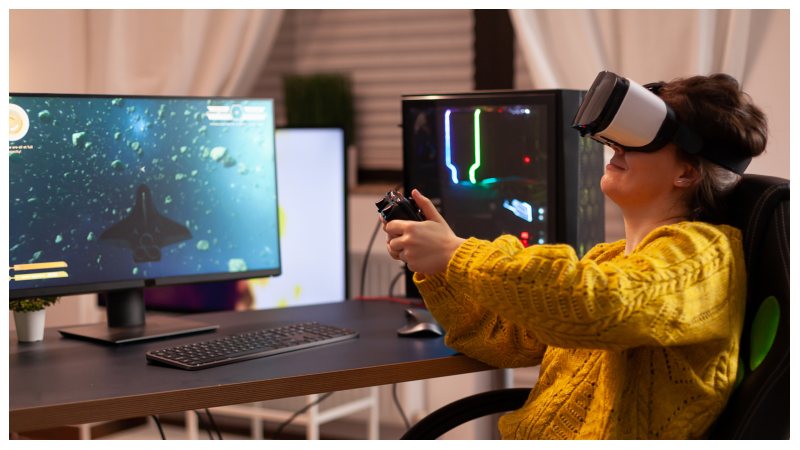
Gaming evolution refers to the gradual transformation of video games from simple digital развлечments into complex, immersive, and global entertainment experiences. This evolution includes advancements in technology, storytelling, visuals, player interaction, and cultural influence. What once started as pixel-based arcade games has grown into vast open worlds, online communities, and professional competitive industries.
1. Role of TheHakeTech in Covering Gaming Evolution
TheHakeTech plays an important role in documenting and explaining how gaming has changed over time. By analyzing trends, technologies, and player behavior, platforms like TheHakeTech help gamers understand not just what is new but why gaming continues to evolve and where it may be heading next.
Why Understanding Gaming Evolution Matters
Understanding how gaming has evolved allows players to appreciate modern innovations, recognize industry patterns, and adapt to new gaming environments. It also helps developers, content creators, and gamers make informed decisions about hardware, genres, and platforms.
2. Early Days of Gaming
The Birth of Video Games
The origins of gaming can be traced back to the 1950s and 1960s, when scientists and engineers created simple computer-based games for experimentation. Early titles like Pong marked the beginning of interactive digital entertainment, laying the foundation for future growth.
Arcade Games and Classic Consoles
Arcade machines dominated the gaming scene during the 1970s and 1980s. Games such as Pac-Man and Space Invaders became cultural icons. Soon after, home consoles like Atari and Nintendo brought gaming into households, making it accessible to a wider audience.
Limitations of Early Gaming Technology
Early games were restricted by limited processing power, memory, and display technology. Graphics were basic, sound was minimal, and gameplay mechanics were simple. Despite these limitations, creativity and innovation drove player engagement.
3. Evolution of Gaming Hardware

From 8-Bit Consoles to Modern Systems
Gaming hardware has undergone massive changes, moving from 8-bit and 16-bit systems to today’s powerful consoles capable of rendering realistic environments. Each generation introduced faster processors, better graphics chips, and expanded storage.
Rise of Gaming PCs and Custom Builds
Gaming PCs introduced flexibility and performance customization. Players could upgrade graphics cards, processors, and memory to improve performance. This helped PC gaming become a major force alongside consoles.
Advancements in Controllers and Accessories
Controllers evolved from basic joysticks to advanced devices with motion sensors, haptic feedback, and adaptive triggers. Accessories such as VR headsets, racing wheels, and gaming mice further enhanced gameplay experiences.
4. Growth of Game Graphics and Visuals
Transition From 2D to 3D Graphics
The move from 2D sprites to 3D environments changed gaming forever. Players could explore depth, perspective, and complex worlds, making gameplay more immersive and dynamic.
Realistic Animations and Physics Engines
Modern games use advanced animation systems and physics engines to simulate real-world movement, collisions, and interactions. This realism enhances immersion and improves gameplay responsiveness.
Ray Tracing and Next-Gen Visual Technology
Ray tracing technology introduced realistic lighting, shadows, and reflections. Combined with high-resolution textures and advanced rendering, modern visuals closely resemble cinematic experiences.
5. Changes in Gameplay and Game Design
From Simple Mechanics to Open Worlds
Early games focused on repetition and score-based challenges. Today’s games offer open-world exploration, side missions, and player-driven narratives that provide freedom and replayability.
Storytelling and Narrative-Driven Games
Games now feature deep storytelling with emotional characters and meaningful choices. Narrative-driven games blur the line between gaming and cinematic storytelling.
Player Choice and Immersive Experiences
Player decisions increasingly impact story outcomes, gameplay paths, and world development. This creates personalized experiences that keep players engaged longer.
6. Online Gaming and Multiplayer Evolution
Introduction of Online Multiplayer
Online connectivity allowed players to compete and cooperate across the world. This shift transformed gaming into a social experience rather than a solo activity.
Competitive Gaming and Ranked Play
Ranked systems and matchmaking introduced structured competition. Players could measure skill levels, climb leaderboards, and improve through balanced matchmaking.
Social Interaction in Modern Games
Modern games include voice chat, messaging, friend systems, and social hubs, strengthening player communities and friendships.
7. Rise of Mobile and Casual Gaming
Smartphone Gaming Boom
The rise of smartphones made gaming available to nearly everyone. Mobile games reached massive audiences due to convenience and accessibility.
Free-to-Play and Microtransaction Models
Free-to-play models removed entry barriers, allowing players to download games at no cost while offering optional purchases for customization or progression.
Accessibility for All Types of Players
Mobile and casual games introduced gaming to new demographics, including players who prefer short sessions or simple mechanics.
8. Esports and Competitive Gaming
Emergence of Professional Gaming
Competitive gaming evolved into a professional industry with full-time players, coaches, and organizations.
Global Tournaments and Prize Pools
International tournaments offer large prize pools and attract millions of viewers, rivaling traditional sports events.
TheHakeTech’s Coverage of Esports Trends
TheHakeTech highlights esports developments, helping audiences understand competitive trends, player performance, and industry growth.
9. Streaming, Content Creation, and Gaming Culture
Impact of YouTube and Twitch
Streaming platforms revolutionized how games are consumed. Players can watch gameplay, tutorials, and live reactions.
Gaming Influencers and Communities
Content creators influence gaming trends, game popularity, and community discussions.
How Streaming Changed Player Engagement
Streaming created interactive entertainment where viewers engage directly with players, shaping gaming culture.
10. Technological Innovations in Gaming
Cloud Gaming and Game Streaming
Cloud gaming allows players to stream games without high-end hardware, increasing accessibility.
Virtual Reality (VR) and Augmented Reality (AR)
VR and AR offer immersive experiences that place players inside game worlds or blend digital content with reality.
Artificial Intelligence in Game Development
AI improves NPC behavior, procedural generation, and adaptive difficulty, making games smarter and more responsive.
11. Gaming Communities and Social Impact
Online Communities and Forums
Gaming communities share tips, strategies, and experiences, strengthening player connections.
Gaming as a Social and Cultural Phenomenon
Gaming influences music, fashion, movies, and social trends, becoming a major cultural force.
Inclusivity and Diversity in Gaming
The industry increasingly focuses on inclusive representation, accessibility options, and diverse storytelling.
12. TheHakeTech’s Perspective on Gaming Evolution
How TheHakeTech Tracks Industry Changes
TheHakeTech analyzes technological trends, gaming behavior, and industry shifts to provide meaningful insights.
Expert Insights and Analysis
Through expert commentary, players gain a deeper understanding of gaming trends and innovations.
Future-Focused Gaming Coverage
TheHakeTech emphasizes forward-looking content, helping gamers prepare for upcoming changes.
13. Future of Gaming
Metaverse and Virtual Worlds
Persistent digital worlds may redefine social interaction, entertainment, and digital ownership.
Cross-Platform and Cloud-Based Gaming
Cross-platform play allows gamers on different devices to play together, breaking hardware barriers.
What Gamers Can Expect Next
Future gaming will focus on immersion, accessibility, personalization, and technological integration.
14. Conclusion
Summary of How Gaming Has Evolved
Gaming has evolved from simple pixel-based entertainment into a global, immersive, and social experience driven by technology and creativity.
Importance of Staying Updated With TheHakeTech
Staying informed helps gamers adapt to trends, improve experiences, and understand the industry’s direction.
Final Thoughts on the Gaming Industry’s Growth
The gaming industry continues to expand, innovate, and influence culture. Its evolution reflects technological progress and the growing passion of gamers worldwide.