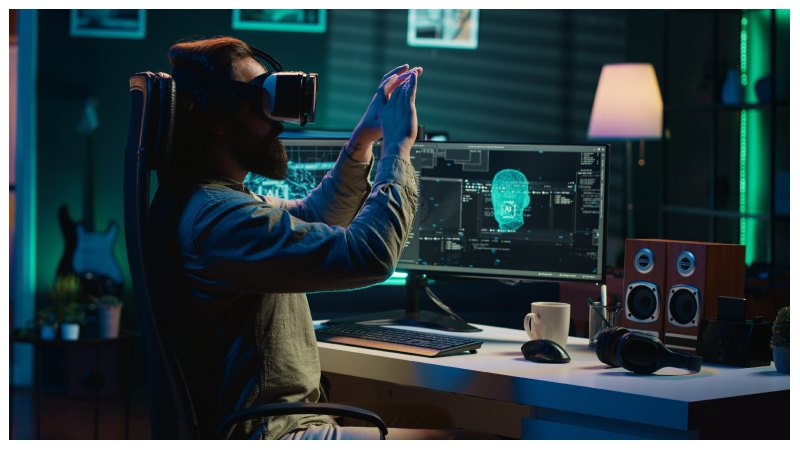
Gaming Harmonicode is an emerging concept in modern game design that focuses on creating balanced, adaptive, and player-responsive gaming systems. Instead of relying on fixed rules and static difficulty levels, Harmonicode uses dynamic systems that adjust gameplay elements in real time based on player behavior, skill level, and engagement patterns. The goal is to create a harmonious relationship between the player and the game, where challenges feel fair, progression feels rewarding, and immersion remains consistent.
1. Origin of the Harmonicode Concept in Gaming
The idea of Harmonicode originated from a blend of game design theory, behavioral psychology, and data-driven software development. Early inspirations came from adaptive AI systems, procedural generation, and dynamic difficulty adjustment techniques used in RPGs and strategy games. Over time, developers began exploring ways to synchronize game mechanics, narrative pacing, visuals, and difficulty into a unified system—what is now referred to as Harmonicode.
Why Harmonicode Is Gaining Attention Among Gamers
Gamers today demand experiences that feel personalized rather than generic. Traditional difficulty settings often fail to reflect real player skill, leading to frustration or boredom. Harmonicode addresses this issue by adapting to players in real time. This approach improves engagement, reduces churn, and creates smoother learning curves, making it increasingly popular among both casual and competitive gamers.
2. Understanding the Harmonicode Gaming Framework
Meaning of “Harmonicode” in Game Design
In game design, Harmonicode refers to a system where multiple gameplay components—difficulty, pacing, mechanics, audio, and visuals—work together in balance. Rather than operating independently, these components respond collectively to player input and performance, creating a unified gameplay rhythm.
How Harmonicode Differs From Traditional Gaming Systems
Traditional gaming systems rely on static mechanics, fixed difficulty levels, and scripted progression. Harmonicode replaces this rigidity with flexibility. It allows the game to adjust enemy strength, resource availability, and even narrative pacing dynamically, ensuring the experience feels tailored to each player.
Core Principles Behind Harmonicode Mechanics
The core principles of Harmonicode include adaptability, balance, responsiveness, and player-centric design. These principles ensure that gameplay evolves naturally, supports diverse playstyles, and maintains fairness throughout the gaming experience.
3. Features of Gaming Harmonicode
Adaptive Gameplay Systems
Harmonicode-powered games analyze player actions in real time. If a player struggles, the system subtly reduces difficulty. If the player excels, challenges increase organically. This adaptability ensures continuous engagement without disrupting immersion.
Balanced Game Mechanics and Flow
Balance is central to Harmonicode. Combat, progression, and rewards are carefully synchronized to maintain smooth gameplay flow. This prevents sudden difficulty spikes and keeps players in an optimal state of engagement.
Player-Centric Design Elements
Harmonicode prioritizes player choice and comfort. Interface layouts, control responsiveness, and gameplay feedback adapt to individual preferences, making games feel more intuitive and accessible.
4. Harmonicode and Gameplay Experience
Dynamic Difficulty Adjustment
Unlike traditional difficulty sliders, Harmonicode uses real-time data to adjust challenge levels invisibly. This keeps gameplay challenging but fair, improving satisfaction for players of all skill levels.
Immersive Player Engagement
By maintaining consistent pacing and challenge, Harmonicode enhances immersion. Players remain focused and emotionally invested without feeling overwhelmed or disengaged.
Seamless Interaction Between Game Elements
Harmonicode ensures that mechanics, visuals, sound, and narrative are aligned. Changes in gameplay intensity are reflected across all elements, creating a cohesive experience.
5. Technology Behind Gaming Harmonicode

AI and Algorithmic Integration
Artificial intelligence plays a key role in Harmonicode. AI models analyze player behavior, predict performance trends, and make real-time adjustments to gameplay parameters.
Data-Driven Player Behavior Analysis
Harmonicode systems collect data such as reaction time, success rates, and play patterns. This data informs adaptive systems, enabling more accurate personalization.
Real-Time Game Environment Adjustments
Environmental elements like enemy spawn rates, loot distribution, and environmental hazards adjust dynamically, keeping gameplay balanced and responsive.
6. Harmonicode in Different Game Genres
Action and Adventure Games
In action games, Harmonicode adjusts enemy aggression, resource drops, and combat pacing, ensuring intense but manageable encounters.
RPG and Open-World Experiences
RPGs benefit significantly from Harmonicode through adaptive quest difficulty, dynamic NPC behavior, and personalized progression systems.
Strategy and Simulation Games
In strategy games, Harmonicode balances AI opponents, resource availability, and mission complexity to match player skill and decision-making ability.
Multiplayer and Competitive Titles
Multiplayer games use Harmonicode for matchmaking, team balance, and fair progression, improving competitive integrity.
7. Benefits of Gaming Harmonicode
Enhanced Game Balance and Fairness
Harmonicode minimizes unfair difficulty spikes and ensures a consistent challenge, creating a more enjoyable experience.
Improved Player Retention
Personalized gameplay keeps players engaged longer, reducing frustration and increasing replay value.
Personalized Gaming Experiences
Every player experiences the game differently, making Harmonicode-based games feel unique and tailored.
8. Harmonicode for Competitive and Esports Gaming
Fair Matchmaking Systems
Harmonicode enables smarter matchmaking by analyzing player performance rather than relying solely on rank or level.
Skill-Based Progression Models
Progression systems reflect actual player skill, ensuring fair advancement and meaningful rewards.
Reducing Gameplay Frustration
By balancing competition dynamically, Harmonicode reduces toxic gameplay and player burnout.
9. User Interface and Design Optimization
Intuitive Controls and Feedback Systems
Harmonicode optimizes control layouts and feedback based on player behavior, improving responsiveness and clarity.
Audio-Visual Harmony and Game Flow
Visual effects, music, and sound cues adapt to gameplay intensity, enhancing immersion and emotional impact.
Accessibility and Usability Improvements
Harmonicode supports accessibility features like adaptive UI scaling, customizable controls, and assistive mechanics.
10. Challenges and Limitations
Technical Complexity in Implementation
Developing Harmonicode systems requires advanced AI, analytics, and testing, increasing development complexity.
Performance Optimization Concerns
Real-time data processing can impact performance if not optimized properly.
Learning Curve for Developers
Designing balanced adaptive systems requires specialized knowledge and experience.
11. Comparison With Traditional Game Mechanics
Harmonicode vs Static Game Design
Static designs offer predictability, while Harmonicode provides flexibility and responsiveness.
Player Experience Differences
Harmonicode creates smoother progression and reduces frustration compared to fixed systems.
Long-Term Engagement Comparison
Adaptive systems maintain long-term engagement more effectively than static gameplay loops.
12. Community and Developer Adoption
Feedback From Players
Players often praise Harmonicode-based games for fairness, immersion, and reduced frustration.
Developer Use Cases and Examples
Many modern games incorporate adaptive systems inspired by Harmonicode principles.
Growing Industry Interest
As technology evolves, more studios are adopting Harmonicode-driven design approaches.
13. Future of Gaming Harmonicode
AI-Driven Harmonicode Evolution
Future systems will use advanced AI for deeper personalization and predictive gameplay adjustments.
Cross-Platform and Cloud Gaming Integration
Harmonicode will play a major role in cloud-based and cross-platform gaming experiences.
Potential Impact on Next-Gen Games
Next-generation games will increasingly rely on Harmonicode to deliver adaptive, immersive worlds.
14. Best Practices for Implementing Harmonicode
Designing Balanced Gameplay Loops
Developers should focus on subtle adjustments that maintain immersion without noticeable manipulation.
Testing and Optimization Strategies
Extensive playtesting and data analysis are essential for effective Harmonicode implementation.
Maintaining Player Satisfaction
Transparency, fairness, and player choice should remain central to Harmonicode systems.
15. Conclusion
Why Gaming Harmonicode Matters
Gaming Harmonicode represents a major step forward in game design, offering balanced, adaptive, and player-focused experiences.
Its Role in the Future of Gaming
As AI and analytics advance, Harmonicode will become a standard approach in modern game development.
Final Thoughts on Harmonicode-Based Game Design
Harmonicode bridges the gap between challenge and enjoyment, shaping a future where games truly adapt to players, not the other way around.