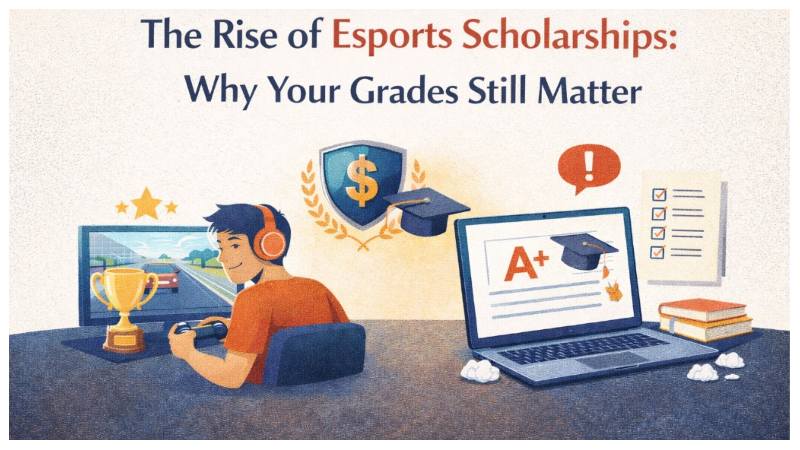
For students aiming to turn their passion for gaming into a debt-free college education, the landscape has changed. Esports is no longer just a basement hobby; it is a multi-million dollar collegiate industry. Today, more than 300 universities in North America alone offer varsity esports programs, providing a legitimate pathway to higher education. However, many aspiring pro-players overlook a critical factor: the “student” in “student-athlete.”
While your mechanical skill in Valorant or League of Legends might get you noticed, your GPA is what gets you signed. Collegiate programs, governed by organizations like the National Association of Collegiate Esports (NACE), strictly enforce academic eligibility. To stay on the roster, you typically need to maintain a minimum GPA of 2.0 to 3.0, depending on the school. This creates a high-pressure environment where missing a single deadline can mean losing your scholarship and your spot in the arena.
The reality of this lifestyle is a grueling schedule of morning classes, afternoon scrims, and late-night VOD reviews. For many student-athletes, the workload becomes overwhelming, especially during midterms when tournament schedules peak. During these crunch times, finding the right support is essential. Many players use academic resources or specialized services like Myassignmenthelp to manage their research and drafting. If you find yourself drowning in coursework while trying to maintain your rank, the option to do my homework through professional assistance can provide the necessary breathing room to focus on your competitive performance without letting your grades slip.
Why Grades Are the Ultimate “Gatekeeper”
Coaches are not just looking for “cracked” players; they are looking for reliable investments. A player with a Radiant rank but a failing transcript is a liability. If a player becomes academically ineligible, the team loses a key starter mid-season, which can derail an entire program’s funding.
The Benefits of Maintaining High Grades
- Stackable Scholarships: Most esports awards are partial (averaging $1,000–$6,000). However, if you have a high GPA, you can “stack” an academic scholarship on top of your gaming scholarship, often resulting in a full ride.
- Professional Safety Net: The average career of a pro gamer is notoriously short. A solid degree ensures that if your “flick shots” slow down, you have the credentials to move into game design, data analytics, or esports management.
- Transferable Skills: The discipline required to study for a chemistry exam is the same discipline required to master a new meta. Schools value this “coachability.”
Balancing the Grind: Strategies for Student-Gamers
The transition from high school to collegiate esports is a massive jump in intensity. You aren’t just playing for fun anymore; you are playing for your tuition.
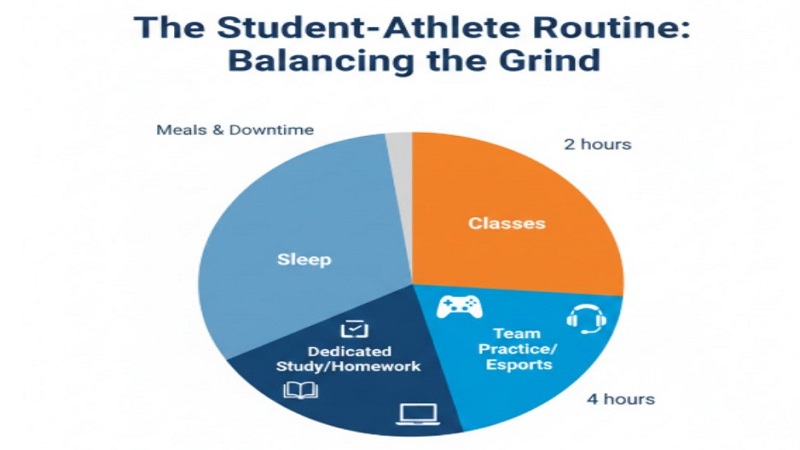
To succeed, you must treat your schedule like a professional job. Use digital calendars to block out “Deep Work” hours for studying that are completely separate from your practice blocks. If a major tournament overlaps with a 2,000-word research paper, don’t wait until the last minute. This is where students often struggle with the “gray areas” of academic help.
Top Games Currently Offering Scholarships (2026)
| Game Title | Typical Rank Required | Average Scholarship |
| League of Legends | Master+ | $2,000 – $8,000 |
| VALORANT | Immortal / Radiant | $1,500 – $5,000 |
| Overwatch 2 | Grandmaster | $1,000 – $6,000 |
| Rocket League | Grand Champion+ | $1,000 – $4,500 |
The “Red Flags” Recruiters Watch For
When you are being recruited, coaches look at more than just your highlight reel. They look at your social media presence and your academic history.
- Toxic Behavior: Even a top-tier player will be rejected if they have a history of toxicity in game chats or on Discord.
- Inconsistency: A sudden drop in grades during your junior year suggests you can’t handle pressure.
- Burnout: Coaches want to see that you have a life outside the screen. Students who prioritize physical health and academic stability are less likely to burn out during a long season.
Conclusion: Leveling Up Your Future
The rise of esports scholarships has turned “stop playing games and do your homework” on its head. Now, the message is: “Do your homework so you can play games.” By treating your education with the same intensity as your practice sessions, you ensure that your future remains bright—whether that’s on a professional stage or in a high-tech boardroom.
About The Author
Hi, I’m Alexander. I’m an academic consultant with a passion for bridging the gap between digital entertainment and educational success. Working with Myassignmenthelp, I specialize in helping students navigate the high-pressure world of modern academia—especially those trying to balance competitive gaming with rigorous degree programs.