
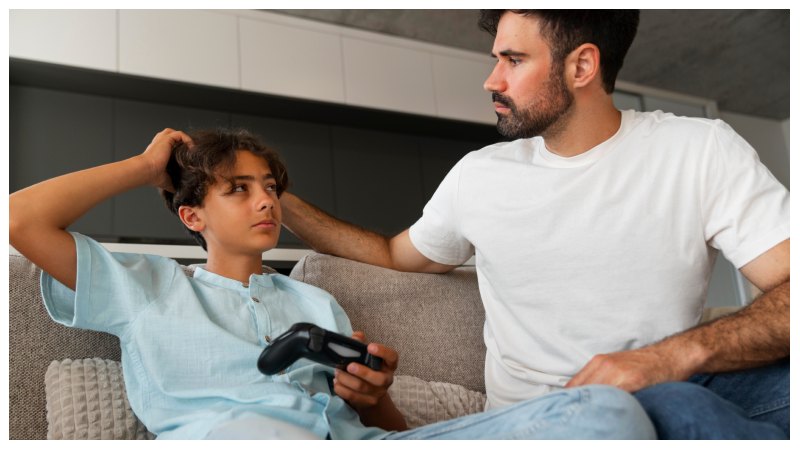
Game Overdertoza addiction refers to a behavioral dependency where players lose control over their gaming habits related to Overdertoza-style games. These games are often designed to be immersive, competitive, and reward-driven, encouraging extended play sessions. What begins as entertainment can slowly turn into compulsive behavior that interferes with daily life, responsibilities, and mental well-being.
1. Why This Addiction Is Becoming More Common
The rise of high-engagement games, online multiplayer systems, constant updates, and reward loops has made gaming more absorbing than ever. Easy access through PCs, consoles, and mobile devices allows players to stay connected at all times. Combined with stress, isolation, and digital lifestyles, addiction risks have significantly increased.
Purpose of This Complete Guide
This guide aims to raise awareness about Game Overdertoza addiction, explain its causes and symptoms, and provide practical solutions for prevention and recovery. Whether you are a gamer, parent, or concerned individual, this article offers valuable insights for maintaining healthy gaming habits.
2. Understanding Game Overdertoza Addiction
Meaning and Definition
Game Overdertoza addiction is a form of gaming disorder characterized by excessive, uncontrollable gameplay that prioritizes gaming over personal, academic, or professional responsibilities. It is not defined by hours alone but by loss of control and negative consequences.
How It Differs From Casual Gaming
Casual gaming is balanced and enjoyable, fitting naturally into daily routines. Addiction, on the other hand, leads to compulsive behavior, emotional distress when unable to play, and neglect of real-life obligations. The key difference lies in control and impact.
Psychological and Behavioral Factors
Psychological factors such as dopamine-driven reward systems, escapism, and achievement satisfaction play a major role. Behavioral reinforcement, like daily challenges and rankings, further strengthens dependency.
3. Causes of Game Overdertoza Addiction
Game Design and Reward Systems
Many Overdertoza-style games use progression systems, achievements, loot mechanics, and competitive rankings. These elements create continuous motivation to play “just one more round,” reinforcing addictive patterns.
Emotional and Mental Health Triggers
Stress, anxiety, depression, and low self-esteem can push individuals toward gaming as an escape. Games provide a sense of control, accomplishment, and social validation that may be missing in real life.
Social and Environmental Influences
Peer pressure, online communities, and social competition can normalize excessive play. Lack of supervision, unstructured schedules, and isolation further contribute to unhealthy gaming habits.
4. Signs and Symptoms
Behavioral Warning Signs
-
Playing for extended hours without breaks
-
Neglecting school, work, or responsibilities
-
Lying about gaming time
-
Failed attempts to reduce play
Emotional and Mental Symptoms
-
Irritability when unable to play
-
Anxiety or restlessness without gaming
-
Loss of interest in other activities
-
Mood swings tied to in-game performance
Physical Health Indicators
-
Eye strain and headaches
-
Poor sleep patterns
-
Fatigue and lack of exercise
-
Poor posture and repetitive strain injuries
5. Who Is Most at Risk?
Children and Teen Gamers
Young players are especially vulnerable due to developing self-control skills and emotional regulation. Exposure without limits can quickly lead to dependency.
Adults and Competitive Players
Adults facing work stress or competitive gamers chasing rankings and rewards are also at risk, especially when gaming becomes a primary coping mechanism.
Role of Stress and Isolation
Loneliness, social withdrawal, and high-stress environments increase reliance on digital escape, making addiction more likely.
6. Effects of Game Overdertoza Addiction
Impact on Mental Health
Extended dependency can intensify anxiety, deepen depressive states, erode self-confidence, and disrupt emotional balance.. It may also reduce resilience to real-life challenges.
Effects on Physical Well-Being
Lack of movement, irregular meals, and poor sleep contribute to long-term health issues, including weakened immunity and chronic fatigue.
Academic, Work, and Social Consequences
Declining academic performance, job productivity issues, strained relationships, and social isolation are common long-term effects.
7. How Game Overdertoza Addiction Develops
Stages of Gaming Dependency
-
Casual enjoyment
-
Increased engagement
-
Loss of balance
-
Compulsive dependency
From Enjoyment to Compulsion
What starts as fun gradually becomes a need, with gaming used to regulate emotions rather than provide entertainment.
Loss of Control and Escalation
Players may prioritize gaming despite knowing the negative consequences, signaling advanced addiction stages.
8. Diagnosis and Professional Assessment
When to Seek Help
If gaming disrupts daily life, relationships, or mental health, professional help should be considered immediately.
Clinical Criteria and Evaluation
Mental health professionals assess behavioral patterns, emotional dependence, and functional impairment using standardized criteria.
Self-Assessment Tools
Online questionnaires and digital wellness trackers can help identify early warning signs before addiction worsens.
9. Treatment and Recovery Options
Therapy and Counseling Approaches
Cognitive Behavioral Therapy (CBT) is commonly used to identify triggers, reshape habits, and rebuild control.
Digital Detox and Lifestyle Changes
Gradual reduction, scheduled gaming time, and introducing offline routines help restore balance.
Medical and Psychological Support
In severe cases, medication for anxiety or depression may complement therapy and lifestyle changes.
10. Self-Help Strategies for Gamers
Setting Healthy Gaming Limits
-
Use timers and alarms
-
Avoid late-night gaming
-
Schedule playtime after responsibilities
Replacing Gaming With Positive Habits
Physical exercise, hobbies, reading, and social activities reduce reliance on gaming for fulfillment.
Mindfulness and Stress Management
Meditation, breathing exercises, and journaling help manage emotions without digital dependence.
11. Role of Family and Friends
Supporting Someone With Addiction
Offer encouragement, not criticism. Focus on understanding rather than control.
Communication Without Judgment
Open conversations help reduce defensiveness and promote cooperation.
Setting Boundaries at Home
Clear rules around screen time, shared responsibilities, and offline activities create a healthy structure.
12. Preventing Game Overdertoza Addiction
Healthy Gaming Habits
Balanced schedules, regular breaks, and diversified interests prevent dependency.
Parental Controls and Monitoring
Time limits, content filters, and supervision are essential for younger players.
Building Balance Between Gaming and Life
Gaming should complement life, not replace personal growth and real-world connections.
13. Game Overdertoza Addiction vs Other Gaming Disorders
Similarities and Differences
While similar to general gaming disorder, Overdertoza addiction often involves stronger competitive pressure and progression dependency.
Unique Challenges of Overdertoza-Style Games
Constant updates, leaderboards, and social ranking systems increase psychological attachment.
14. Recovery Stories and Real-Life Experiences
Success Stories From Former Addicts
Many recovering gamers report improved mental clarity, better relationships, and renewed motivation after regaining balance.
Lessons Learned During Recovery
Awareness, accountability, and structured routines are key to long-term success.
15. Conclusion
Key Takeaways From This Guide
Importance of Awareness and Early Action
Early intervention prevents long-term damage and promotes healthier digital habits.
Final Thoughts on Healthy Gaming
Gaming can be enjoyable and rewarding when balanced. By maintaining awareness, boundaries, and support systems, players can enjoy games without sacrificing well-being.