
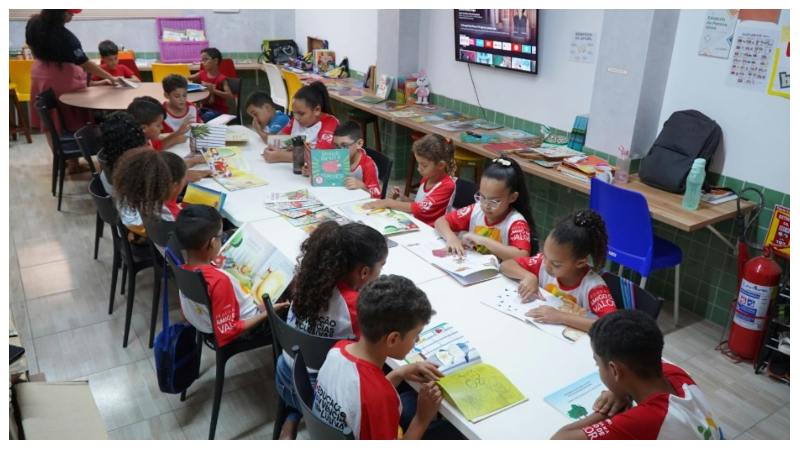
Summer isn’t just a break from school—it’s a chance for students to grow in ways that go beyond the classroom. Modern summer programs are designed to do more than keep kids busy; they focus on helping students learn new skills, explore passions, and build confidence. From creative arts to sports, STEM, and social activities, these programs give students experiences that shape their minds, bodies, and character. In today’s fast-paced world, well-rounded growth is more important than ever. In this blog, we’ll explore 10 ways modern summer programs help students develop skills, friendships, and confidence that last far beyond the summer months.
1. STEM Integration Meets Real-World Problem Solving
Something remarkable has happened in how kids spend those precious summer months. Experiential STEM learning has completely changed the game, moving beyond theory into genuine creation.
Hands-On Engineering and Robotics Challenges
Walk into a summer enrichment program today and you’ll find design labs that’d make many professionals jealous. Students aren’t just learning about technology—they’re wielding 3D printers, mastering CAD software, and working with prototyping tools that industry professionals use daily. Research from the RAND Corporation revealed something striking: children attending summer programs regularly showed measurably stronger math performance during fall and spring after their first summer, outpacing peers who stayed home.
Robotics competitions? They mirror actual engineering team dynamics. Collaboration becomes second nature while technical abilities sharpen. Some programs even introduce foundational artificial intelligence concepts, positioning students ahead of the curve for tomorrow’s technological landscape.
Environmental Science Through Field Research
There’s no comparison between textbook diagrams and collecting real data yourself. Students analyze water quality in nearby ecosystems, sometimes partnering with university researchers on legitimate scientific projects. Climate change shifts from abstract concept to tangible reality through direct experimentation. Farm-to-table initiatives connect sustainable agriculture with nutrition education, revealing food sources while instilling environmental stewardship.
When students complete a middle school program centered on environmental science, they’re not simply accumulating facts—they’re honing critical thinking capabilities that’ll transfer across every academic discipline. You’re watching the development of young scientists who genuinely understand their planetary responsibilities.
Coding Beyond the Screen
Programming has broken free from computer lab confinement. Students build applications addressing genuine community challenges, absorbing user experience principles alongside coding fundamentals. Game development weaves storytelling into technical skill-building. Hardware programming through Arduino and Raspberry Pi creates bridges between digital concepts and physical outcomes, transforming abstract code into visible results.
Technical capabilities certainly matter. But here’s what research consistently shows: emotional intelligence and interpersonal competencies ultimately determine long-term success—and leading programs integrate these seamlessly into everyday experiences.
2. Social-Emotional Learning Embedded in Daily Activities
Holistic youth development demands more than academic focus. You need emotional growth too. The most effective programs hide this learning inside experiences kids actually want to participate in.
Emotional Intelligence Workshops Disguised as Adventure
Ropes courses serve purposes beyond physical challenge—they’re specifically designed around team communication and conflict resolution. Mindfulness sessions woven into daily routines cultivate self-awareness without clinical overtones. Journaling builds reflective capabilities that improve decision-making throughout the year. Peer mentorship connecting older participants with younger ones creates organic leadership opportunities.
Cultural Competency Through Immersive Experiences
International video exchanges link students with global peers, expanding worldviews beyond immediate surroundings. Diversity conversations led by trained facilitators help kids grasp and value differences. Cultural cooking projects celebrating varied traditions transform learning about other cultures into something delicious. Service-learning addressing tangible community needs teaches empathy through direct action.
Leadership Development Pathways
Age-appropriate roles in program governance provide genuine responsibility. Showcase presentations offer public speaking practice that builds confidence extending far past summer. Older participants receive conflict mediation training, acquiring lifelong capabilities.
Project management involving actual budgets teaches resource planning and allocation beyond emotional development, innovative programs position creative arts not as optional extras, but as powerful cross-disciplinary tools that deepen comprehension across subjects.
3. Creative Arts as Multi-Disciplinary Learning Vehicles
Well-rounded child development requires creative expression as foundational, not supplementary. Contemporary approaches use arts to strengthen STEM understanding and the reverse.
Digital Media Production Studios
Creating podcasts covering science, history, and social topics simultaneously teaches research, composition, and technical proficiency. Video documentaries exploring environmental or social issues merge storytelling with purpose. Animation and digital illustration using professional-grade software prepare students for creative career paths. Social media content creation paired with digital citizenship education promotes responsible online participation.
Performing Arts With Academic Integration
Theater productions dramatizing historical events make history unforgettable. Musical composition exploring mathematics reveals patterns and recognition within melodies. Every dollar invested in youth development programs returns $10.32 in economic benefits through increased lifetime earnings and reduced costs for healthcare, public assistance, and criminal justice . Dance programs incorporating physics demonstrate scientific principles through movement. Improvisation training develops creative thinking and adaptability with universal application.
4. Physical Wellness Programs Beyond Traditional Sports
The benefits of summer camps reach well past academics and arts. Physical activity programming now incorporates lessons from multiple fields.
Adaptive Athletics and Inclusive Movement
Yoga and flexibility work develop body awareness while teaching mindfulness. Rock climbing incorporates physics and geometry as students strategize routes. Martial arts instruction teaches discipline while exploring cultural heritage. Ultimate frisbee and cooperative games emphasize teamwork over individual achievement, cultivating collaborative abilities.
Choosing the Right Program for Your Child
Not every program delivers equivalent value. Understanding what to evaluate helps you make informed decisions that’ll genuinely benefit your child.
Key Quality Indicators to Evaluate
Staff credentials outweigh fancy facilities every time. Seek educators with youth development backgrounds, content-specific expertise, and continuous training. Participant-to-instructor ratios determine individual attention levels. Safety protocols and accreditation aren’t glamorous, but they’re fundamental. Diversity and inclusion practices reveal whether all students genuinely belong.
Questions to Ask Program Directors
How do they accommodate varying learning differences? What percentage of time is structured versus student-directed? How do they measure and communicate progress beyond simple attendance? What distinguishes their approach—and can they articulate it clearly? These inquiries reveal whether substance backs the marketing.
4. Your Questions About Summer Programs Answered
What are good summer learning activities?
Seek reading programs that don’t resemble homework. Organize nature scavenger hunts or outdoor adventures. Utilize online activities making learning enjoyable. Plan family field trips. Begin a summer journal. Integrate math and reading into daily routines. Engage with educational games. Conduct science experiments together at home.
How do I know if my child is ready for an overnight program?
Readiness signals include sleepover comfort, ability to self-advocate regarding needs, and openness toward new experiences. Begin with shorter overnight experiences before multi-week commitments. Most programs provide parent-child orientations building confidence and assessing compatibility.
What makes a program truly holistic versus just offering multiple activities?
Holistic programs intentionally design interconnected experiences where capabilities from one domain strengthen others. They incorporate explicit social-emotional learning, reflection periods, and personalized attention addressing each child’s unique strengths. It’s about integration quality and individual support—not activity quantity.
6. Making the Most of Summer Opportunities
Modern programs have validated their value through measurable outcomes and transformed trajectories. They’re investments in your child’s future yielding academic, social, and emotional dividends. The objective isn’t locating the priciest option—it’s discovering the right match for your child’s interests, learning preferences, and developmental requirements. Summer needn’t mean academic regression or boredom. With the appropriate program, those months become powerful growth catalysts extending well beyond September.