
The LCFGameStick is a compact plug-and-play gaming device designed to bring retro and modern titles directly to your television. By simply connecting the HDMI stick to a TV and powering it through USB, users gain access to a large library of games, emulators, and customizable features. Its popularity comes from its simplicity, portability, and ability to emulate thousands of classic console titles without needing a bulky console setup.
1. Why Special Settings Matter for Users
While the GameStick is ready to use out of the box, its special settings unlock deeper control over how the device performs. These settings can dramatically improve gameplay quality, maximize performance, and tailor the experience to user preferences. Whether adjusting resolution, increasing FPS, customizing controllers, or improving audio, these options help users get the most out of every game.
How Customization Enhances Gameplay
Customization is key for any gaming device, but especially for a retro-focused platform like LCFGameStick. Every game and emulator may require different configurations. Special settings allow players to optimize graphics, fine-tune input responsiveness, reduce lag, and even enhance nostalgia by adjusting classic display modes. With proper customization, you can turn ordinary gameplay into a smooth, immersive experience.
2. Overview of LCFGameStick Special Settings
Core Purpose of Special Settings
The special settings panel is built to give users control over the system’s behavior. From video output to security tools, these settings allow complete personalization, ensuring the GameStick works efficiently across different TVs, monitors, and controllers.
Accessibility and User Control Options
Accessibility features are essential for inclusive gaming. Options such as font adjustments, simple navigation menus, and visual aids help every user—regardless of experience or ability—operate the device comfortably.
Compatibility With Games and Emulators
Not all games and emulators behave the same. Some need higher performance, while others prefer classic screen ratios or slower speeds. Special settings help bridge these differences by offering specific adjustments that maximize compatibility.
3. Display & Graphics Settings
Screen Resolution Options
Resolution plays a major role in clarity. The LCFGameStick usually supports:
-
720p
-
1080p
-
4K (depending on model)
Choosing the right resolution can prevent image distortion and reduce system strain on older TVs.
Brightness, Contrast, and Color Controls
These controls allow users to adjust picture quality to match the environment. Retro titles especially benefit from color adjustments, as many classic games originally used CRT displays with deeper color saturation.
TV/Monitor Compatibility (HDMI, 4K Support)
The device connects via HDMI, making it compatible with nearly all modern screens. Some TVs require specific HDMI mode settings (such as Game Mode) for optimal performance. LCFGameStick also includes options for:
-
HDMI 1.4 compatibility
-
Auto-display detection
-
4K upscaling (on capable models)
4. Audio & Sound Settings
Volume Control and Equalizer Options
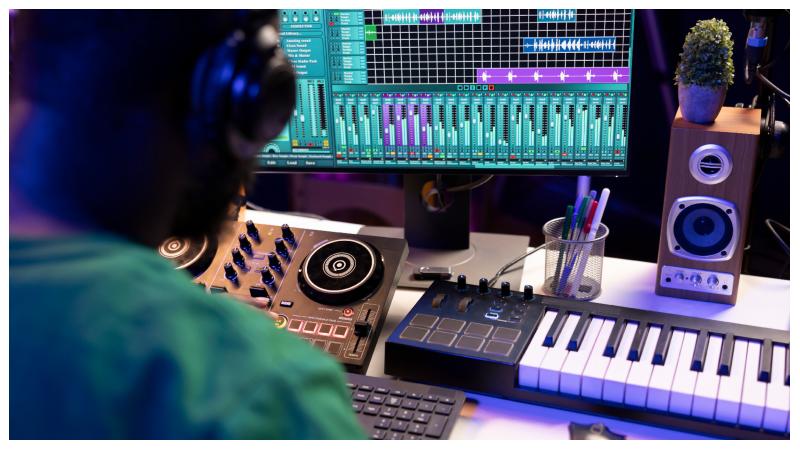
Volume levels can be controlled system-wide or per emulator. Some advanced settings even allow bass, treble, or mid-frequency adjustments, improving sound effects and overall clarity.
Surround Sound & Stereo Enhancements
Depending on the game and emulator, users can enable:
-
Stereo enhancement
-
Surround emulation
-
Left/right balance options
These improvements make older games feel more lively and immersive.
Headset and External Speaker Support
The LCFGameStick supports output through:
-
TV audio ports
-
Bluetooth headsets
-
Wired headphones (via supported controllers)
-
Portable speakers
This flexibility helps gamers enjoy private or enhanced sound experiences.
5. Controller & Input Settings
Button Mapping and Custom Layouts
Many games were originally designed for various console layouts. With LCFGameStick, you can remap:
-
Directional buttons
-
Action buttons
-
Start/Select
-
Shoulder and trigger inputs
This ensures every game feels comfortable, regardless of controller style.
Sensitivity and Response Adjustments
Some genres—like racing or fighting games—require extremely responsive inputs. Sensitivity controls allow users to tune:
-
Analog stick speed
-
Button response time
-
Dead zone adjustments
Support for Wireless and Wired Controllers
LCFGameStick works with multiple controller types:
-
2.4GHz wireless controllers
-
Bluetooth controllers
-
USB wired controllers
-
Third-party gamepads
Special settings help pair and calibrate each controller type for smooth gameplay.
6. Game Performance Settings
FPS Boosting Tools
Some games, especially emulated ones, struggle with frame rate drops. FPS boosting tools help:
-
Increase smoothness
-
Reduce stutter
-
Improve responsiveness
This is especially noticeable in action-heavy or 3D games.
Low-Latency Mode for Fast-Paced Games
Low-latency mode reduces input lag, crucial for:
-
Fighting games
-
Racing titles
-
Platformers
-
Competitive multiplayer
This mode syncs controller inputs more directly with gameplay.
Performance vs Battery Optimization (if portable)
If using a portable GameStick variant, users can choose between:
-
High-performance mode
-
Battery saver mode
-
Balanced mode
This helps prolong battery life during long gaming sessions.
7. Emulator-Specific Settings
Retro Game Compatibility Adjustments
Some retro games run best with specific tweaks, such as:
-
Aspect ratio adjustments (4:3 or 16:9)
-
CRT shader effects
-
Speed balancing
These settings replicate the original experience more faithfully.
Save State and Load State Options
LCFGameStick emulators include save states, allowing users to save progress at any time. This is especially useful for older games with no checkpoint systems.
Emulator Graphics and Speed Tweaks
Graphics filters and speed tools allow:
-
Smoother animation
-
Pixel smoothing
-
Sprite scaling
-
Fast-forward mode
-
Slow-motion mode
These options improve playability, especially during repetitive sections.
8. Network & Connectivity Settings
Wi-Fi Setup and Stability Tools
Network settings help users configure Wi-Fi and ensure stable connections for downloading updates or syncing data.
Bluetooth Pairing Options
Bluetooth settings allow pairing:
-
Controllers
-
Speakers
-
Headphones
-
Keyboards
These tools help manage multiple connected devices.
Online Multiplayer Optimization
While not all titles support online play, some do. Users can enhance connection stability with:
-
Low-latency network mode
-
Packet-loss reduction
-
Automatic network switching
9. Storage & File Management
Saving Game Data Efficiently
Users can view, manage, and back up saved data. This prevents corruption and helps free up storage space.
Adding or Removing ROMs
With file management tools, users can:
-
Add new games
-
Remove unwanted files
-
Organize directories
-
Verify file compatibility
SD Card and USB Storage Settings
The system often supports expandable storage. You can configure:
-
Default save location
-
ROM directories
-
File format settings
This is especially helpful when dealing with large game libraries.
10. Parental Control & Security
Screen Time Limits
Parents can set time restrictions to control gaming duration for younger users.
Age-Restricted Content Filters
Content filtering prevents access to games with unsuitable ratings, ensuring a family-friendly experience.
Protecting GameStick Settings With Passwords
Password protection ensures that:
-
Settings remain secure
-
Children do not modify controls
-
Files are not accidentally deleted
11. System Settings
Language & Region Options
Users can switch between multiple languages and adjust system region settings to ensure proper formatting and gameplay compatibility.
System Updates and Firmware Upgrades
The GameStick occasionally receives firmware updates that:
-
Fix bugs
-
Improve performance
-
Add new features
-
Boost compatibility
Factory Reset and Backup Tools
If the system becomes slow or the settings become corrupted, a factory reset can restore normal function. Backup tools let users save important data before resetting.
12. Troubleshooting Special Settings
Fixing Display or Audio Issues
If the screen goes blank or the audio doesn’t work:
-
Change HDMI mode
-
Reset display settings
-
Reconnect cables
-
Adjust audio output preferences
Controller Not Responding
Common fixes include:
-
Re-pairing Bluetooth devices
-
Replacing batteries
-
Resetting controller mapping
-
Switching USB ports
Restoring Default Settings
The special settings menu includes a “Reset to Default” option to restore system-wide settings in case of improper configuration.
13. Tips for Optimizing LCFGameStick
Best Performance Settings for Retro Games
Retro titles often perform best with:
-
4:3 aspect ratio
-
CRT or scanline filter
-
Low-latency mode
-
FPS boost where necessary
Ideal Configurations for Modern Displays
For large 4K TVs:
-
Enable 1080p or 4K upscaling
-
Use Game Mode on the TV
-
Adjust brightness/contrast for clarity
How to Extend Device Lifespan With Proper Settings
To maintain long-term performance:
-
Avoid high brightness on older TVs
-
Keep the device ventilated
-
Update the firmware regularly
-
Manage storage efficiently
14. Conclusion
Why Special Settings Are Valuable
The special settings of the LCFGameStick give users full control over video output, performance, audio, controllers, and security—transforming the device into a flexible, customizable gaming hub.
How Proper Configurations Improve Gameplay
With the right settings, users experience:
-
Better graphics
-
Smoother frames
-
More responsive controls
-
Enhanced audio
-
Greater compatibility
Final Thoughts on LCFGameStick Customization
LCFGameStick becomes significantly more powerful when users take advantage of its special settings. Whether you’re a retro gaming lover, a modern casual player, or someone seeking a tailored experience, customizing the device ensures smoother gameplay, improved visuals, and a truly enjoyable session every time.