
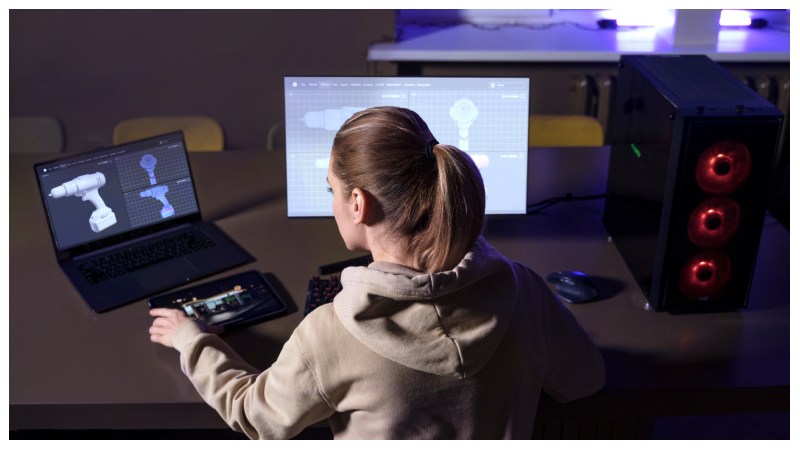
Real-time gaming refers to video games where actions, events, and player decisions occur instantly without waiting for turns or pauses. In real-time gaming, the game world continues to move and respond dynamically, even while players are thinking or making decisions. This means every action—movement, combat, strategy, or communication—happens immediately and simultaneously for all players involved.
Unlike turn-based games, where players wait for their turn, real-time gaming creates a continuous and active experience. It demands quick reactions, fast thinking, and constant engagement.
1. Why Real Time Gaming Is Popular Today
Real-time gaming has become extremely popular because it offers immersive and competitive gameplay. Modern gamers enjoy fast-paced action, real-time collaboration, and instant results. With the growth of high-speed internet, powerful gaming devices, and online multiplayer platforms, real-time gaming has become more accessible and smoother than ever.
Additionally, esports, streaming platforms, and global multiplayer communities have made real-time gaming a central part of the entertainment industry.
Purpose of This Zeromagtech Guide
This Zeromagtech guide explains what real-time gaming is, how it works, its evolution, advantages, challenges, and future trends. The goal is to provide a clear understanding for gamers, tech enthusiasts, and anyone curious about this fast-growing gaming format.
2. Understanding Real Time Gaming
How Real Time Gaming Works
Real-time gaming operates through continuous game loops powered by game engines and servers. The system constantly processes player inputs, updates game states, and synchronizes actions across devices in milliseconds.
In online real-time games, servers manage player data and ensure that all participants experience synchronized gameplay. This reduces inconsistencies and keeps the experience fair.
Difference Between Real-Time and Turn-Based Gaming
The key difference lies in timing. In turn-based gaming, players act one after another, often with no time pressure. In contrast, real-time gaming requires simultaneous participation.
Turn-based games emphasize long-term planning and strategy. Real-time games prioritize speed, reflexes, and quick adaptation to changing conditions.
Core Features of Real-Time Gameplay
Core elements include:
-
Instant action and response
-
Continuous movement and interaction
-
Real-time multiplayer connectivity
-
Time-sensitive decision-making
-
Dynamic environments
These features create a sense of urgency and excitement.
3. History and Evolution of Real-Time Gaming
Early Real-Time Strategy (RTS) Games
The foundation of real-time gaming can be traced to early RTS games like Warcraft and Command & Conquer. These titles introduced simultaneous strategy-based gameplay where players managed resources and units in real time.
Growth of Real-Time Multiplayer Experiences
As internet access expanded, multiplayer shooters and MMORPGs became popular. Games like Counter-Strike and World of Warcraft demonstrated how real-time gaming could connect players worldwide.
Modern Real-Time Gaming Innovations
Today, real-time gaming includes advanced physics engines, high-definition graphics, cross-platform play, and cloud integration. Real-time elements now appear in almost every genre.
4. Types of Real-Time Gaming
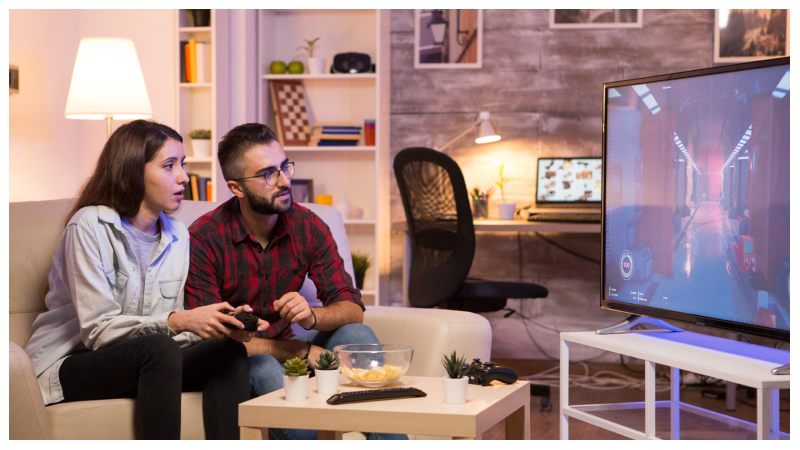
Real Time Strategy (RTS) Games
RTS games focus on tactical planning, resource management, and unit control in real time.
Real-Time Multiplayer Online Games
These include battle royale games, MMORPGs, and cooperative multiplayer experiences where players interact instantly.
Real-Time Action and Shooter Games
First-person shooters and action titles demand quick reflexes and precise timing.
Real-Time Simulation and Sports Games
Sports and life simulation games operate in real time, replicating real-world timing and reactions.
5. Technology Behind Real-Time Gaming
Role of High-Speed Internet
High-speed internet minimizes latency, enabling smoother gameplay and faster synchronization between players.
Game Engines and Real-Time Rendering
Modern engines like Unreal Engine and Unity support real-time rendering, meaning graphics and animations are generated instantly.
Servers, Latency, and Performance Optimization
Low latency ensures minimal delay between action and response. Optimization techniques reduce lag and improve stability.
6. Real Time Gaming in Online Platforms
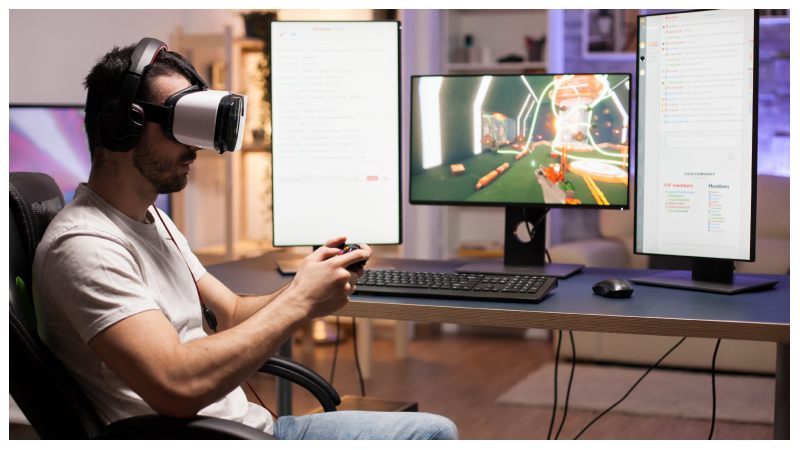
Competitive Real Time Gaming
Ranked modes and matchmaking systems support fair competition.
Esports and Live Tournaments
Real-time gaming forms the backbone of esports tournaments watched by millions globally.
Cross-Platform Real-Time Gaming
Players on PC, console, and mobile can now compete together in many games.
7. Advantages of Real-Time Gaming
Immersive and Engaging Gameplay
Real-time environments feel alive and unpredictable.
Instant Decision-Making and Strategy
Players must think and react quickly.
Enhanced Social Interaction
Voice chat and cooperative gameplay encourage teamwork.
8. Challenges of Real-Time Gaming
Lag and Connectivity Issues
Poor internet can disrupt gameplay.
Security and Fair Play Concerns
Cheating and hacking threaten competitive integrity.
Hardware and System Requirements
High-performance systems may be needed for optimal play.
9. Real-Time Gaming vs Turn-Based Gaming
Gameplay Speed and Interaction
Real-time gaming is faster and more dynamic.
Skill Requirements and Strategy Differences
Real-time games emphasize reflexes; turn-based games emphasize planning.
Player Preferences and Use Cases
Some players prefer relaxed pacing, while others enjoy high-speed action.
10. Real Time Gaming on Different Devices
PC Real Time Gaming
Offers customization, modding, and higher performance options.
Console Real Time Gaming
Optimized for stability and ease of use.
Mobile Real Time Gaming
Provides portability and accessibility.
11. Role of Zeromagtech in Explaining Real-Time Gaming
Industry Insights and Updates
Zeromagtech provides detailed updates about gaming technologies.
Technology-Focused Analysis
It explains performance, servers, and innovation trends.
Educational Gaming Content
The platform helps readers understand technical concepts in simple terms.
12. Future of Real-Time Gaming
Cloud Gaming and Streaming Technology
Cloud gaming reduces hardware barriers.
AI and Real-Time Adaptive Systems
AI improves matchmaking and game balance.
Virtual Reality and Immersive Experiences
VR enhances real-time interaction with deeper immersion.
13. Real Time Gaming in the Modern Gaming Industry
Impact on Competitive Gaming
Real-time gaming drives esports growth.
Influence on Game Development Trends
Developers prioritize online features and instant interaction.
Growth in Global Gaming Communities
Players from different regions connect instantly.
14. Why Real Time Gaming Continues to Grow
Increasing Internet Speeds
5G and fiber networks improve connectivity.
Rising Demand for Instant Interaction
Modern users expect immediate responses.
Expansion of Online Multiplayer Ecosystems
Gaming ecosystems continue expanding globally.
15. Conclusion
Summary of What Is Real Time Gaming Zeromagtech
Real-time gaming refers to continuous, instant-action gameplay where players interact simultaneously without waiting for turns.
Key Takeaways for Gamers
-
Requires fast reactions
-
Powered by advanced technology
-
Forms the backbone of esports and online gaming
Final Thoughts on the Future of Real-Time Gaming
As technology advances, real-time gaming will become even more immersive, connected, and innovative. It represents the future of interactive entertainment and digital competition.