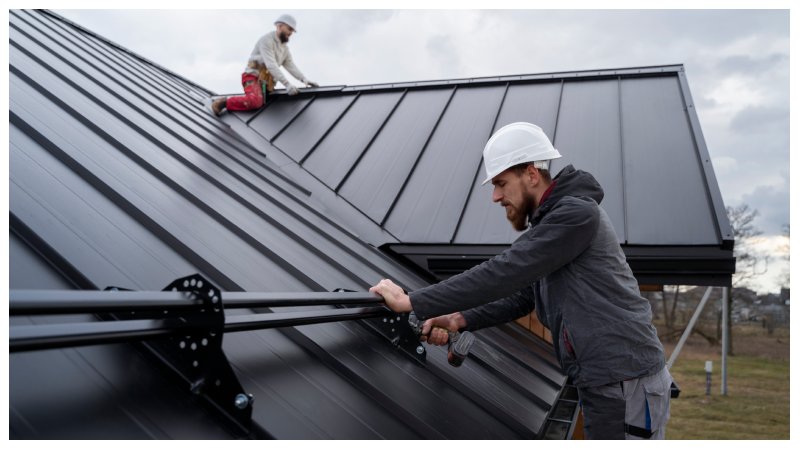
For most homeowners, the roof is something that fades into the background until a problem becomes impossible to ignore. A small stain on the ceiling, a draft that wasn’t there before, or shingles scattered after a storm suddenly bring attention to what is actually one of the most critical parts of a home. Because roofing affects safety, comfort, and long-term value, many homeowners look toward experienced providers such as US Quality Construction of Lexington when evaluating their options.
A roof is not just about appearance. It protects structural components, regulates temperature, and shields everything inside from weather, moisture, and long-term deterioration. Understanding its role helps homeowners make smarter decisions before issues escalate.
1. The roof’s impact goes beyond protection
A well-built roof does much more than keep rain out. It plays a major role in how a home performs year-round. When roofing systems are properly installed and maintained, they help stabilize indoor temperatures, reduce strain on heating and cooling systems, and protect insulation from moisture damage. Over time, this contributes to better energy efficiency and a more comfortable living environment.
When roofing fails, the effects are rarely isolated. Water intrusion can spread quickly through attic spaces, insulation, and framing, eventually reaching ceilings and walls. By the time visible damage appears indoors, the problem above is often far more advanced.
2. Early warning signs homeowners often overlook
Roof problems rarely announce themselves dramatically at first. Instead, they tend to appear in subtle ways. Homeowners might notice rising energy bills, rooms that feel harder to heat or cool, or faint discoloration on ceilings. Outside, shingles may begin to curl, crack, or lose granules, and flashing around chimneys or vents may show signs of wear.
These signs do not always mean a roof needs immediate replacement, but they do signal that professional evaluation is wise. Addressing issues early can prevent costly secondary damage.
3. Why professional inspections matter
Roof inspections involve more than a visual glance. Professionals assess wear patterns, ventilation, flashing integrity, and underlying structures that are invisible from the ground. They also evaluate attic conditions, since moisture buildup or poor airflow often contributes to premature roof failure.
An inspection provides clarity. It helps homeowners understand whether they are dealing with minor repairs, maintenance needs, or larger structural concerns that require more comprehensive solutions.
4. Repair or replacement: making the right choice
Not every roof problem calls for replacement. In some cases, targeted repairs extend the life of the existing roof effectively. This is often true when damage is localized or the roof is still relatively young.
Replacement becomes the smarter option when a roof is near the end of its lifespan, shows widespread deterioration, or has underlying issues affecting performance. A professional assessment helps weigh short-term fixes against long-term reliability and cost efficiency.
5. Roofing materials and long-term performance
Material selection has a direct impact on durability, maintenance, and appearance. Asphalt shingles remain the most common choice due to affordability and versatility, while architectural shingles offer enhanced thickness and visual depth. Metal roofing provides exceptional longevity and energy efficiency, while tile and slate deliver durability with distinctive aesthetics.
Choosing the right material involves balancing budget, climate conditions, and architectural style. Performance matters just as much as looks, especially when considering long-term ownership.
6. Ventilation and insulation are part of the roof system
Many homeowners focus on shingles without realizing how critical ventilation and insulation are to roof health. Proper airflow prevents heat and moisture buildup in attic spaces, which can otherwise shorten shingle lifespan and encourage mold growth.
Good insulation complements ventilation by keeping conditioned air inside the home. Together, these systems protect the roof structure and improve indoor comfort.
7. The cost of waiting too long
Delaying roof repairs often increases total costs. A small leak can lead to rotted decking, compromised insulation, and damaged interior finishes. Addressing problems early protects the entire home envelope and prevents cascading issues that affect multiple systems.
Proactive maintenance and timely repairs are almost always more economical than emergency fixes.
8. Choosing the right roofing professional
Roofing is specialized work that demands experience, safety training, and knowledge of local codes. A reliable contractor understands regional weather challenges, uses quality materials, and communicates clearly throughout the project.
Homeowners benefit from working with professionals who provide thorough inspections, realistic timelines, and transparent recommendations rather than rushed solutions.
9. Energy efficiency and roofing decisions
Modern roofing systems can contribute meaningfully to energy efficiency. Reflective materials, improved ventilation, and upgraded insulation reduce heat transfer and stabilize indoor temperatures. Over time, these improvements lower energy costs and reduce wear on HVAC systems.
Energy-efficient roofing is not just an environmental choice. It is a practical investment in comfort and long-term savings.
10. Seasonal considerations
Different seasons test roofing systems in different ways. Summer heat stresses materials, winter freeze–thaw cycles challenge underlayment, and spring rains reveal weak points. Planning inspections and maintenance around seasonal shifts helps homeowners stay ahead of potential issues.
11. Protecting the home as a whole
A roof protects more than just the attic. It safeguards electrical systems, insulation, drywall, flooring, and even personal belongings. Maintaining roof integrity preserves the value of every improvement made inside the home.
A quality roof is one of the most important investments a homeowner can make. It affects safety, comfort, efficiency, and peace of mind every single day. Understanding how roofing systems work, recognizing early warning signs, and relying on experienced professionals helps homeowners protect their property for the long term.
A strong roof is not just a feature of a house. It is the foundation of a secure and comfortable home.